
Blog

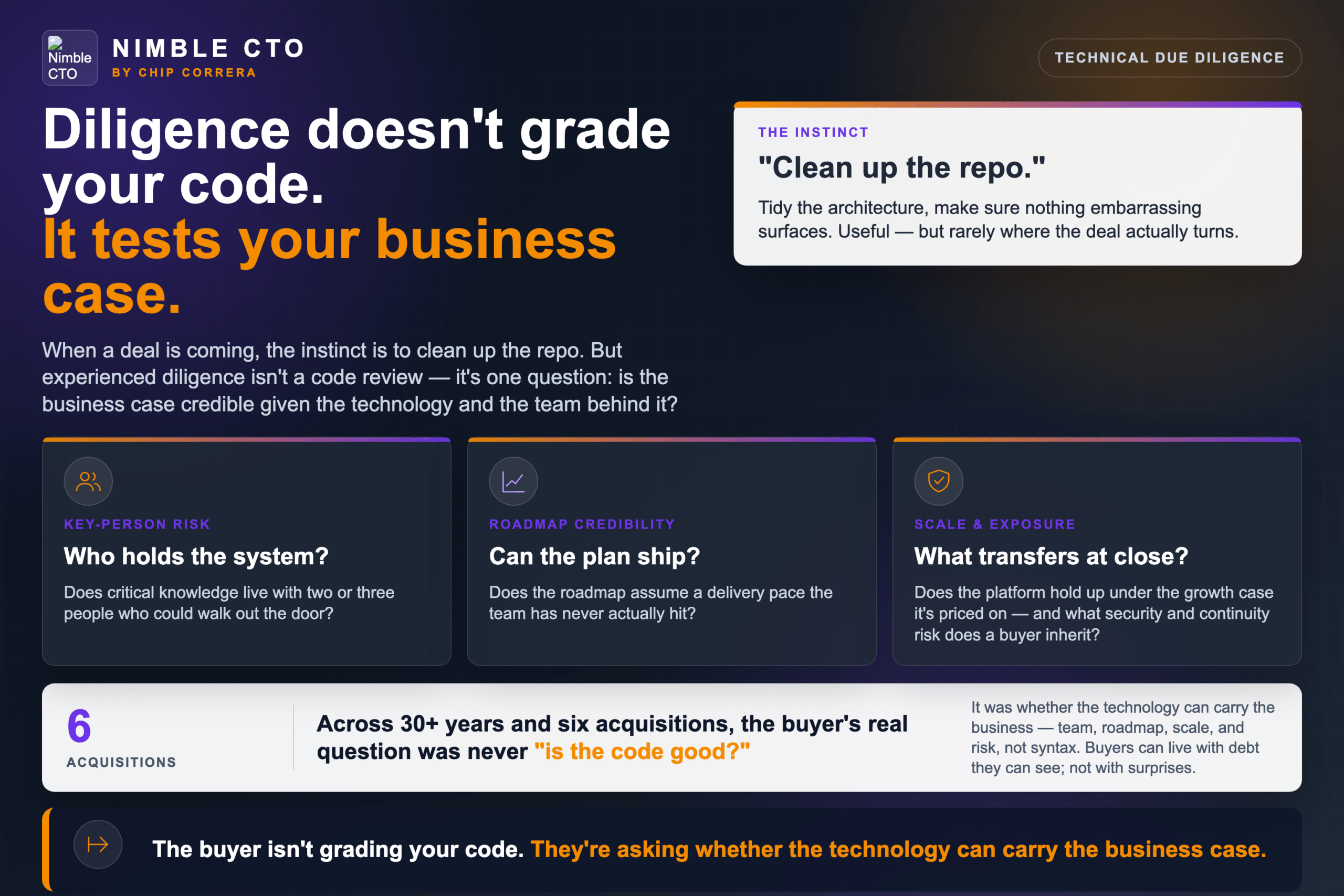
What technical diligence actually tests (it isn’t the code)
When a deal is coming, the instinct is to get the code reviewed. Clean up the repo, tidy the architecture diagram, make sure nothing embarrassing surfaces in an audit. That’s rarely where diligence turns. Experienced technical diligence isn’t a code review. It’s a[…]
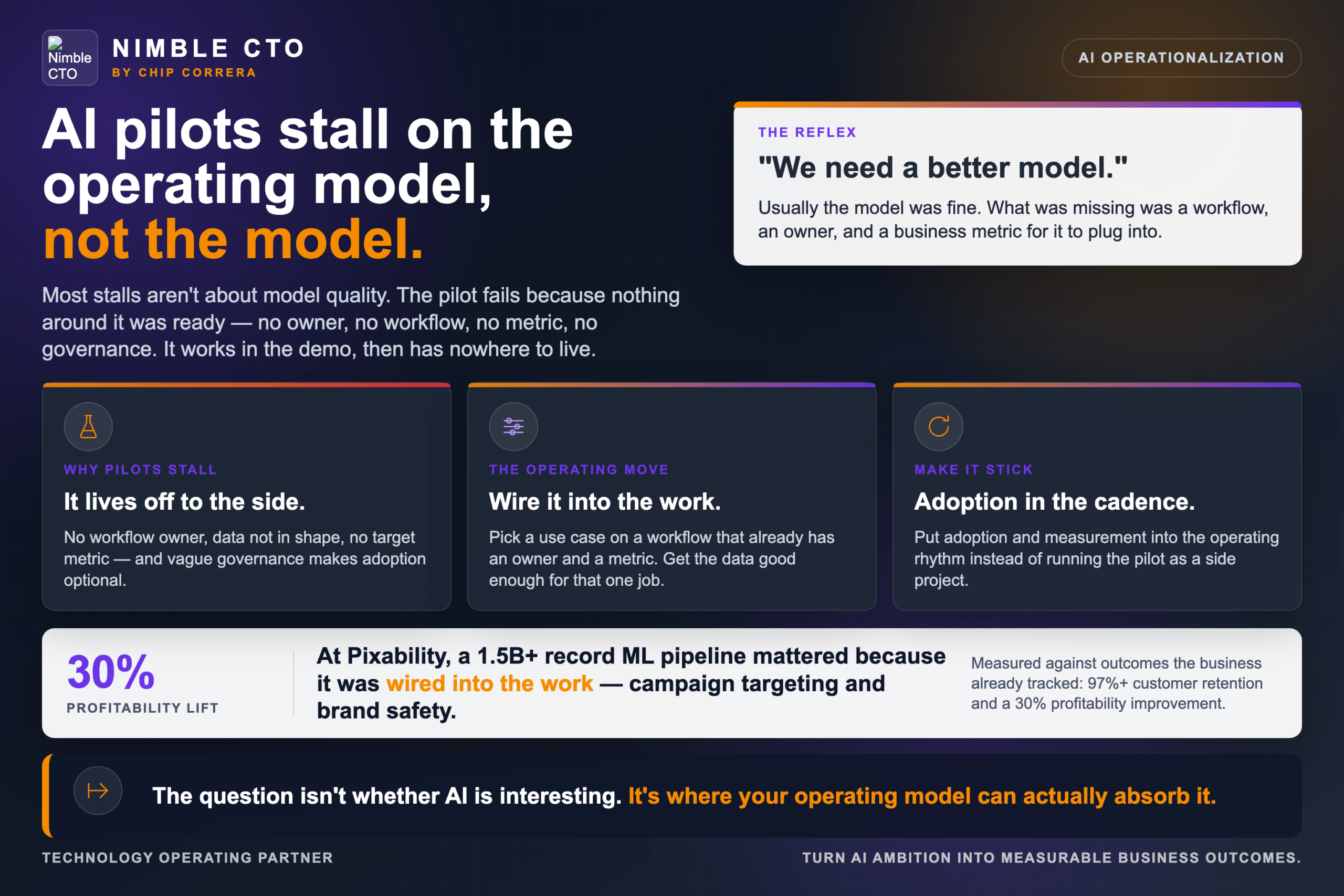
AI pilots stall on the operating model, not the model.
Most AI pilots that stall don’t stall because the model was wrong. They stall because nothing around the model was ready. The pattern is consistent: the use case isn’t attached to a workflow anyone owns. The data isn’t in shape. No one agreed[…]
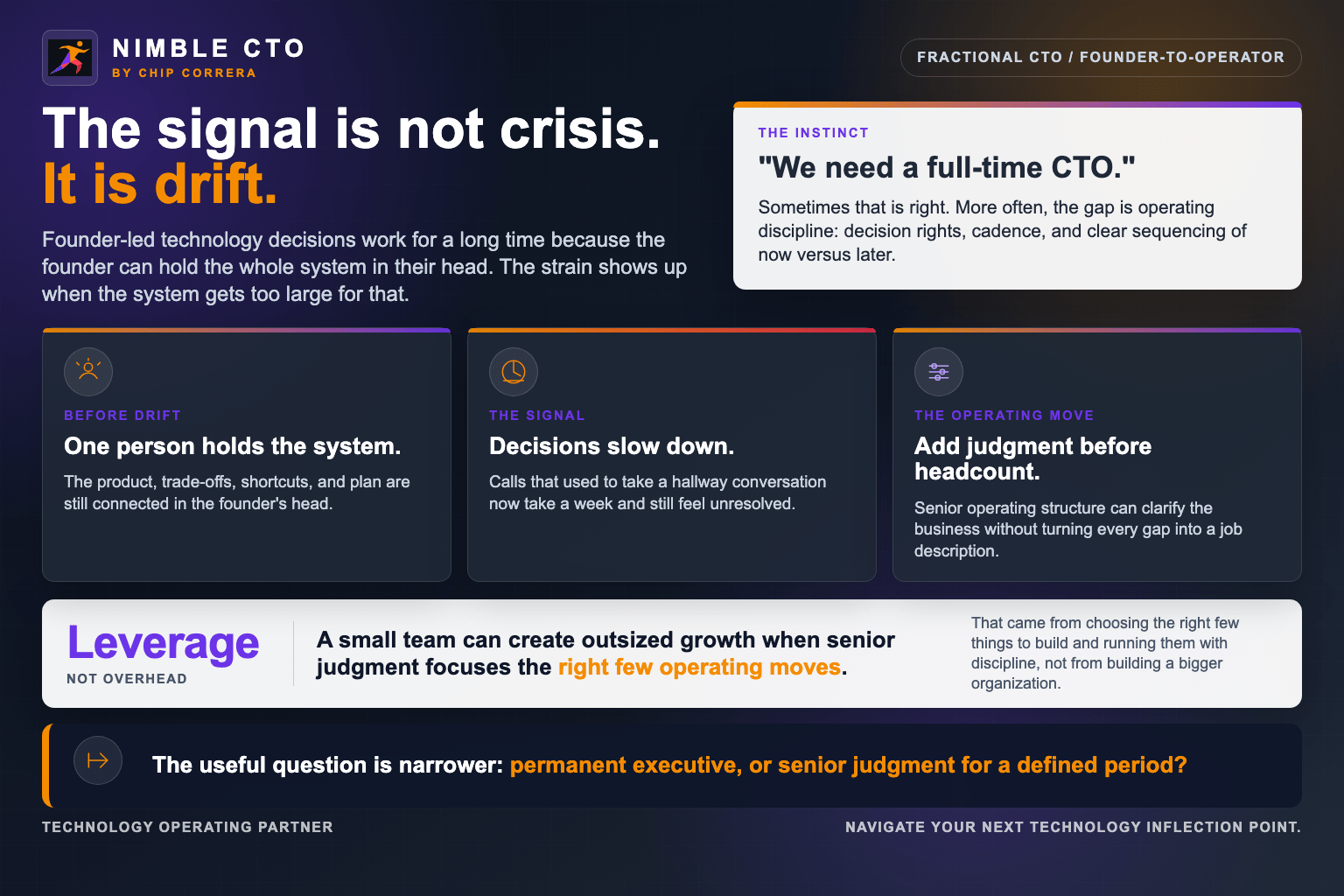
The signal you need outside technology leadership isn’t a crisis. It’s drift.
Founder-led technology decisions often work for a long time because the founder can hold the whole system in their head — the product, the trade-offs, the shortcuts, the plan — all in one place. The signal that something needs to change is rarely[…]
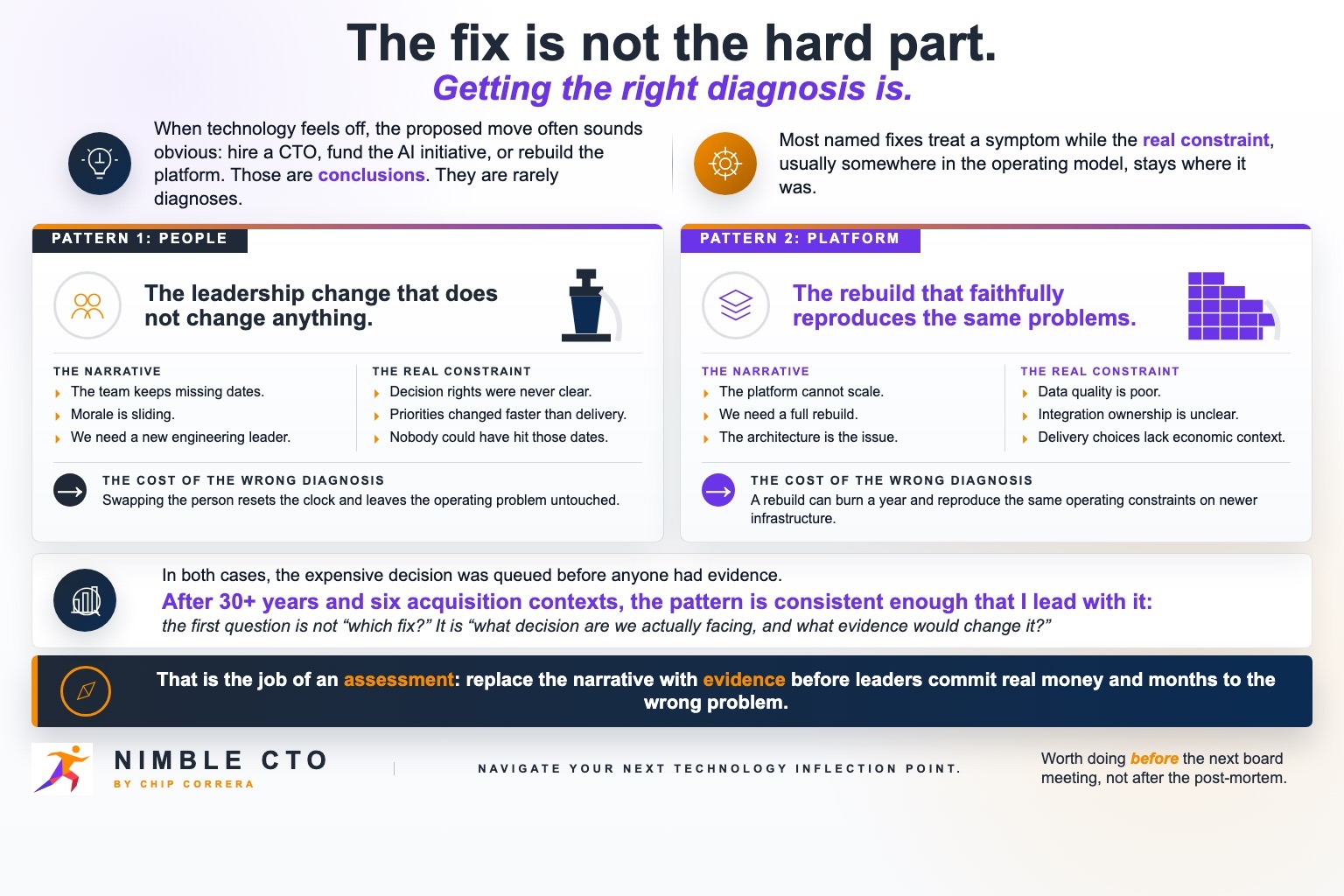
Pressure to act usually arrives before the evidence
When something feels wrong with technology, the move usually sounds obvious: hire a CTO, fund the AI initiative, replatform. Those are conclusions. They’re rarely diagnoses. Most of the time the named fix treats a symptom while the real constraint — usually somewhere in[…]

The Hidden Cost of Building without a Technical North Star – The Case of Earn Phone
The Earn Phone was built on a powerful idea: Turn everyday phone usage into income. Users earned points for listening to music, charging their phones, playing games, and reading news. An Earn Phone monetized the experience through embedded ads and shared revenue with[…]

A Competitive Analysis Model
Overview Many organizations conduct competitive assessments without a structured framework, often relying on incomplete SWOT analyses or narrow product comparisons. This Competitive Analysis Model offers a standardized approach to evaluating competitors based on their ability to innovate disruptively and their effectiveness in bringing[…]
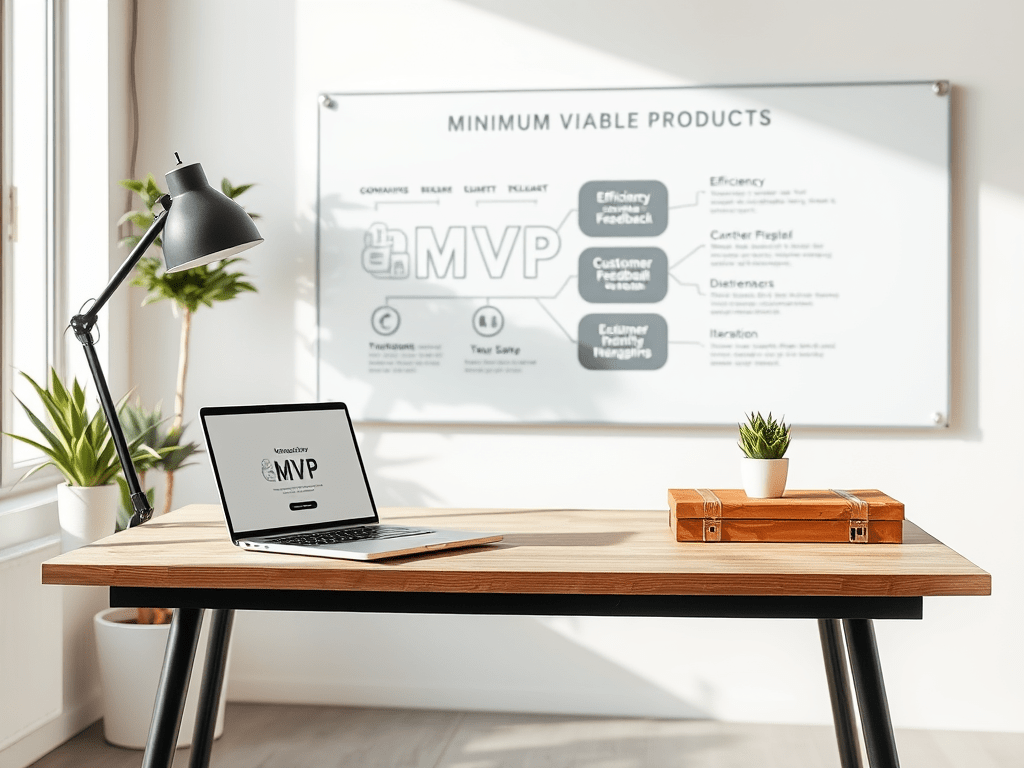
Building Smarter Products: The Power of Minimum Viable Products for Product Managers
Minimum Viable Products: An Introduction for Product Managers Imagine a restaurant testing a new dish before adding it to the menu. Instead of investing in bulk ingredients, redesigning the menu, and training staff on a complex recipe, the chef first introduces it as[…]

Mastering Strategic Product Management: Essential Behaviors for Success
A top-tier chef must possess a complete arsenal of skills, including knife techniques, mastery of different cooking methods, and an understanding of ingredient pairings. Beyond technical proficiency, successful chefs have the strategic mindset to curate menus that align with their restaurant’s vision and[…]

Enhancing Business Success through Innovation and Entrepreneurship – Team Alignment, Empowerment, Vision, and Culture
The first article in this series outlined seven critical traits of innovative teams that propel their businesses to success. The second article elaborated on team size, construction, and duration. In this article, we’ll elaborate on the final traits contributing to innovative teams –[…]
©2025 Nimble CTO